

Spray Cork Facades: A Fresh Way to Finish Exterior Walls
A facade sets the tone for an entire home. When the exterior starts looking tired, the biggest change often comes from the surface itself: a consistent finish across broad walls, sharp openings and architectural details.
Spray cork brings a different material into that picture. Fine cork granules are combined with other components to form a spray-applied coating. Once installed as a complete system, it creates a continuous exterior finish with its own subtle grain and character.
What spray cork actually does
Unlike a sheet or cladding board, spray cork is applied directly to a prepared wall as a coating system. It follows the wall's form, making it particularly interesting around corners, recessed entries and simple contemporary facades.
Cork's cellular structure and natural resilience are part of the material's appeal. In a formulated exterior coating, that cork content contributes to a finish designed for exposed surfaces. The result is architectural as well as practical: a textured skin across the building rather than a patchwork of separate decorative elements.
A renovation starts beneath the finish
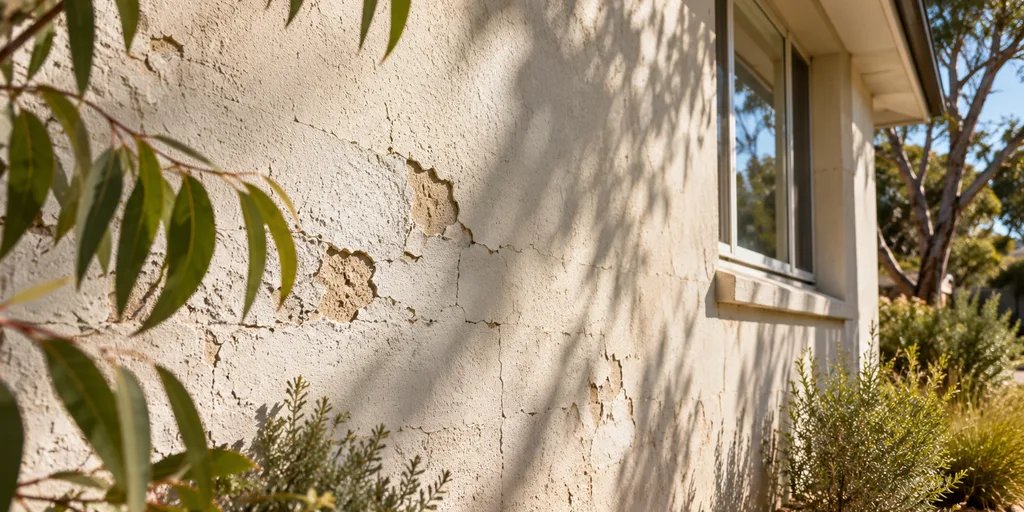
Older walls usually tell their story through flaking paint, small cracks, uneven repairs or stained sections. Before recoating, those areas are cleaned and repaired, and the underlying surface is prepared for the chosen system.
Spray cork works best as part of a properly planned exterior finish, with the appropriate preparation and application sequence. That is what creates a neat result around windows, corners, downpipes and other details that are easy to overlook.
Colour is a major part of the story
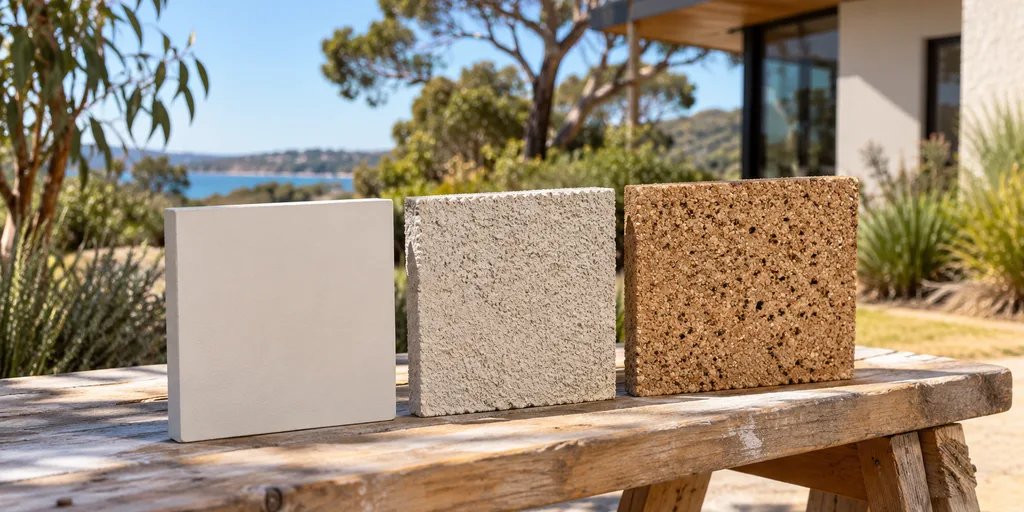
The word “cork” often suggests tan or warm brown. Spray cork isn't confined to that appearance. Coloured formulations allow a wide range of exterior looks, from restrained neutrals to more assertive architectural tones.
A pale facade can sharpen the lines of a contemporary home. A mid-tone finish can bring an older building together, while a darker accent can give an entry or projecting wall more definition. Because the texture runs through the visual language of the facade, colour reads with more depth than it does on a completely flat surface.
One finish, many architectural details
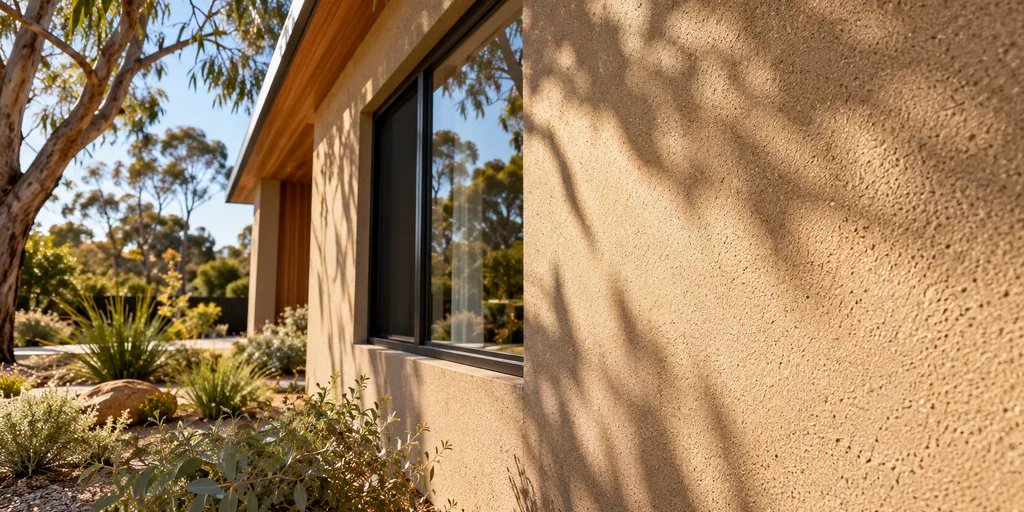
Spray application makes it possible to carry the same surface treatment over broad wall areas and smaller features. That consistency is particularly effective on houses with mixed wall planes, garden-facing elevations or additions completed at different times.
The design can remain restrained without becoming plain. Texture gives the wall interest at close range, while the overall building still reads as one composition from the street.
Living with a cork-coated facade
Exterior walls collect dust, windblown dirt and the occasional mark. Keeping the finish clean, checking nearby drainage and maintaining surrounding building details are sensible parts of looking after any facade. The installed coating's care instructions guide the cleaning method.
Spray cork is worth understanding as a complete exterior surface, not simply as a decorative colour. Its cork content, continuous application and colour range give designers and homeowners a distinctive way to refresh the outside of a building.

